
Understanding Hit-and-Run Accidents That Cause Crush Injuries in California
Hit-and-run accidents in California often leave victims facing severe physical harm, including crush injuries from vehicle impacts or entrapments. These incidents happen when a driver flees the scene without stopping to provide aid or information, violating state laws designed to protect everyone on the road. Crush injuries, which involve intense compression on body parts, can stem from high-speed crashes where metal twists and traps individuals inside vehicles. In busy areas like Los Angeles freeways, such events are unfortunately common due to distractions or impairment. Victims must act quickly to report these accidents to authorities and insurers to preserve their rights to compensation. This article explores the legal framework, reporting requirements, insurance implications, and steps for pursuing claims, all grounded in California personal injury law.
Under California Vehicle Code §20001, hit-and-runs involving injuries are treated as serious offenses, potentially felonies if harm or death occurs. For victims suffering crush injuries—such as broken bones, muscle tears, or organ damage—the path to recovery involves medical care and legal action. Understanding these elements helps individuals in southern California navigate the aftermath effectively, ensuring they receive support for medical bills, lost wages, and emotional distress.
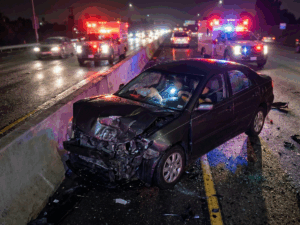
Hit-and-Run Crash Causing Crush Injuries on California Freeway
Common Causes of Hit-and-Run Crashes Leading to Crush Injuries
Hit-and-run drivers in California might flee due to fear of legal consequences, lack of insurance, or impairment, often resulting in devastating crush injuries for victims. These injuries frequently occur in vehicle collisions where one car crumples into another, compressing limbs or torsos against dashboards, doors, or steering wheels.
- High-Speed Impacts: On freeways like the 405 or 101, speeding vehicles can cause metal to deform, trapping occupants and leading to severe compression on arms, legs, or chests.
- Intersection Failures: Drivers running red lights or ignoring stop signs may strike pedestrians or cyclists, causing crush injuries from being pinned under vehicles.
- Dooring or Sideswipes: In urban settings, opening car doors into cyclists or sideswiping them can result in falls where bodies are crushed by passing traffic.
- Impaired Driving: Alcohol or drug use contributes to hit-and-runs, amplifying the force that leads to entrapment and internal injuries like kidney or lung damage.
For example, a cyclist in a Los Angeles hit-and-run might suffer leg compression from a fleeing truck, requiring surgery and rehabilitation. Always prioritize safety by moving to a secure spot if possible, then document the scene to strengthen future claims.
What Are the Symptoms and Long-Term Effects of Crush Injuries from Hit-and-Run Accidents?
Crush injuries from hit-and-run accidents in California manifest through intense physical and emotional symptoms, often requiring immediate medical intervention. Victims might experience sharp pain, swelling, or numbness where body parts were compressed, signaling damage to bones, muscles, nerves, or organs. In car crashes, this could mean fractured limbs from being pinned or internal bleeding from chest compression.
Common symptoms include:
- Severe Pain and Swelling: Immediate discomfort that worsens without prompt care, potentially leading to compartment syndrome where pressure builds dangerously.
- Nerve and Muscle Damage: Tingling, weakness, or paralysis in affected areas, complicating daily activities like walking or gripping objects.
- Organ Complications: Kidney failure or respiratory issues if the torso is crushed, as seen in high-impact vehicle entrapments.
- Emotional Distress: Anxiety, depression, or PTSD from the trauma of a fleeing driver, exacerbating physical recovery.
Long-term effects can be life-altering, with some victims facing permanent disabilities or the need for amputations. In California, where hit-and-runs are prevalent in dense traffic, these injuries might prevent returning to work, leading to financial strain. For instance, a warehouse worker injured in a vehicle-related crush might require ongoing therapy. Victims should track symptoms in a journal to build a strong case for non-economic damages like pain and suffering.
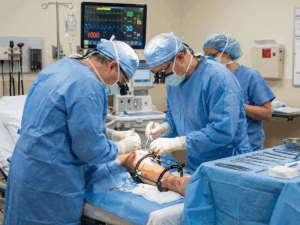
Emergency Treatment for Crush Injuries After Hit-and-Run in California
Treatment Options for Crush Injury Victims in California
Treating crush injuries from hit-and-run accidents involves a multi-step approach, starting with emergency care to relieve pressure and prevent further damage. In California hospitals, surgeons may perform procedures to repair fractured bones or damaged tissues, followed by rehabilitation to restore function.
- Emergency Intervention: Immediate surgery to decompress affected areas, such as fasciotomy for compartment syndrome, ensuring blood flow is restored quickly.
- Hospitalization and Monitoring: Extended stays for observation of organ function, with medications to manage pain and prevent infections.
- Physical Therapy: Customized sessions to rebuild strength and mobility, often spanning months for full recovery.
- Assistive Devices: Use of prosthetics, wheelchairs, or braces for those with lasting impairments, covered under personal injury claims.
- Mental Health Support: Counseling to address trauma, integrated into holistic care plans for hit-and-run survivors.
Seek treatment even if symptoms seem minor, as delays can worsen outcomes and weaken insurance claims. Linking treatment records to the accident strengthens pursuits for compensation under state laws.
Why Is Reporting a Hit-and-Run Accident Crucial for Insurance and Legal Claims in California?
Failing to report a hit-and-run accident in California can jeopardize insurance coverage and legal rights, especially when crush injuries are involved. State law mandates reporting incidents with injuries or significant damage to police within 24 hours and to the DMV via an SR-1 form within 10 days. Not doing so risks fines, license suspension, or denied claims, leaving victims to cover costs alone.
Consequences of non-reporting include:
- Claim Denials: Insurers may reject coverage for breaching policy terms, even for valid hit-and-run scenarios.
- Financial Burdens: Personal liability for medical expenses, repairs, and lost income, amplified by crush injury treatments like surgeries.
- Premium Hikes: Higher rates upon policy renewal due to perceived risk from unreported events.
- Legal Penalties: Violations of Vehicle Code §20002 for property-only cases or harsher for injuries.
In hit-and-run cases causing crush injuries, timely reporting is vital for compensating economic losses like therapy costs and non-economic damages such as emotional suffering. Notify your insurer promptly but consult an attorney first to avoid misstatements that could harm your position.
Steps to Report and File a Claim After a Hit-and-Run Crush Injury
Navigating reporting and claims for hit-and-run accidents with crush injuries requires structured actions to maximize recovery in California.
- Call Emergency Services: Dial 911 immediately for medical aid and police documentation, crucial for proving the incident.
- Gather Evidence: Take photos of injuries, vehicle damage, debris, and scene; collect witness contacts for supporting statements.
- File Official Reports: Submit to police within 24 hours and DMV within 10 days to comply with laws.
- Notify Your Insurer: Report the accident as soon as safe, providing details without admitting fault; this activates potential Med-Pay benefits.
- Seek Legal Guidance: Consult a personal injury attorney to handle investigations, negotiations, and arbitration for full compensation.
- Track Deadlines: File personal injury suits within two years to avoid losing rights.
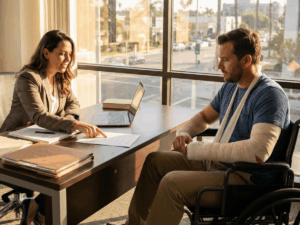
Seeking Compensation for Crush Injuries in California Hit-and-Run Claims
How to Pursue Compensation for Crush Injuries in California Hit-and-Run Cases
Victims of hit-and-run accidents causing crush injuries in California can seek compensation through personal injury claims if the driver is identified.
Compensation elements include:
- Economic Damages: Hospital bills, surgeries, therapy, medications, and future care for long-term effects like chronic pain.
- Non-Economic Damages: Compensation for suffering, emotional distress, PTSD, and reduced life quality from disabilities.
- Property Recovery: Repairs via collision coverage if included in the policy.
Special Considerations for Bicycle and Pedestrian Victims
Bicyclists and pedestrians in California hit-and-runs face unique risks of crush injuries due to lack of protection, often from dooring or clipping. Urban areas see higher incidences, with injuries like road rash or fractures leading to permanent impairments. Attorneys help navigate policy limits for maximum recovery, including emotional impacts.
Summary Guide: Key Takeaways for Handling Hit-and-Run Crush Injuries in California
– Report accidents immediately to police and DMV to avoid penalties and enable claims.
– Document everything: Photos, witnesses, and medical records strengthen legal pursuits.
– Understand symptoms and seek prompt treatment for crush injuries to mitigate long-term effects.
– Follow step-by-step reporting and claiming processes for insurance compliance.
– Consult attorneys early for guidance on compensation, including economic and non-economic damages.
– Be aware of deadlines: Two years for personal injury.
Contact Napolin Accident Injury Lawyer for Hit-and-Run Crash Injury Support
Napolin Accident Injury Lawyer specializes in southern California personal injury cases, including hit-and-run accidents resulting in crush injuries. With a proven track record of securing substantial settlements, our team offers personalized strategies tailored to each client's unique situation. We are committed to fighting for maximum compensation, covering medical costs, lost earnings, and emotional damages while handling all insurer negotiations. Call (866)-NAPOLIN today for a free consultation to discuss your case and start on the path to recovery.

- Uber and Lyft Accidents in Southern California: What the 2026 SB 371 Insurance Changes Mean for Injured Victims - March 9, 2026
- Understanding Auto Accidents in the Rain: Key Causes and Risks for Southern California Drivers - December 23, 2025
- Understanding Hit-and-Run Accidents That Cause Crush Injuries in California - December 14, 2025